Discovering the Sacred
The Pagan Significance of Sabbat Rituals and Solar Festivals in Agriculture and Ancestral Heritage
In the rich tapestry of human history, the rhythms of nature have profoundly shaped our cultures, traditions, and beliefs. At the heart of this connection lie Sabbat rituals and solar festivals, cherished practices that celebrate the cycles of the agricultural year and honor our ancestors. These sacred observances not only mark the changing seasons but also serve as vital moments of reflection, gratitude, and community bonding. As we delve into the pagan significance of these rituals, we uncover the deep-rooted connections between spirituality, agriculture, and ancestral heritage. Each festival, from the vibrant energy of Beltane to the reflective solemnity of Samhain, is a reminder of our intrinsic link to the earth and its bounty. Join us on this journey to explore the enchanting world of Sabbat rituals, discovering how they nurture not just the land, but also the spirit of those who walk upon it.

Discovering the Sacred: The Pagan Significance of Sabbat Rituals and Solar Festivals in Agriculture and Ancestral Heritage
Understanding Sabbat Rituals: Definition and Purpose
Sabbat rituals are integral to many pagan traditions, encompassing a series of observances that mark the passing of the seasons and the cyclical nature of life. These rituals are deeply rooted in the agricultural calendar, celebrating the earth’s fertility and the harvests that sustain human life. Each Sabbat is a pivotal moment in the Wheel of the Year, a symbolic representation of the earth’s journey around the sun. Through these rituals, pagans honor the divine forces that govern nature and express gratitude for the bounty of the natural world.
The primary purpose of Sabbat rituals is to realign participants with the rhythms of nature, fostering a sense of harmony and balance. By observing these sacred times, individuals can attune themselves to the energies of the earth, enhancing their spiritual practice and deepening their connection to the divine. Sabbat rituals often include offerings, feasts, and communal activities designed to strengthen bonds within the community and between humans and the natural world.
In addition to celebrating the cycles of nature, Sabbat rituals serve as powerful moments for reflection and introspection. They provide opportunities to honor ancestors, seek guidance from the spiritual realm, and set intentions for personal growth and transformation. Through these practices, pagans cultivate a profound sense of reverence for the earth and a deeper understanding of their place within the web of life.
The Wheel of the Year: Key Sabbats and Their Significance
The Wheel of the Year is a central concept in many pagan traditions, representing the cyclical progression of the seasons and the ongoing dance between light and darkness. It is divided into eight Sabbats, each with its unique significance and associated rituals. These Sabbats are Imbolc, Ostara, Beltane, Litha, Lammas, Mabon, Samhain, and Yule, marking key points in the agricultural and solar calendars.
Imbolc, celebrated on February 1st or 2nd, heralds the first stirrings of spring and the return of light. This Sabbat is dedicated to Brigid, the goddess of fire, healing, and fertility. Ostara, occurring around the spring equinox, celebrates the balance of day and night and the renewal of life. It is a time for planting seeds and embracing the blossoming of nature.
Beltane, on May 1st, is a vibrant festival of fertility and passion, marking the height of spring. Litha, or Midsummer, falls on the summer solstice and honors the sun at its peak. It is a celebration of abundance and the power of light. Lammas, or Lughnasadh, on August 1st, is the first harvest festival, dedicated to the grain god Lugh. Mabon, around the autumn equinox, acknowledges the second harvest and the balance of light and darkness.
Samhain, on October 31st, is a time of reflection and honoring the dead, marking the end of the harvest and the beginning of the dark half of the year. Finally, Yule, on the winter solstice, celebrates the rebirth of the sun and the promise of returning light. Each Sabbat is a sacred moment to honor the cycles of nature and the divine forces that guide them.
Solar Festivals: Celebrating the Sun’s Cycle in Pagan Traditions
Solar festivals are pivotal events within pagan traditions, celebrating the sun’s journey through the sky and its influence on the earth. These festivals are anchored in the solstices and equinoxes, marking the key points in the solar year. The winter solstice, or Yule, celebrates the rebirth of the sun after the longest night, symbolizing hope and renewal. This festival is a time of joy, feasting, and the lighting of fires to welcome the returning light.
The spring equinox, or Ostara, commemorates the balance of day and night and the resurgence of life after winter’s dormancy. It is a time of planting and new beginnings, reflecting the earth’s awakening. The summer solstice, or Litha, honors the sun at its zenith, celebrating the peak of light and the abundance of the growing season. Bonfires, feasts, and rituals of gratitude are common during this vibrant festival.
The autumn equinox, or Mabon, marks the balance of light and darkness as the earth prepares for the coming winter. It is a time of thanksgiving for the harvest and reflection on the cycles of life and death. These solar festivals are not only celebrations of the sun’s power but also reminders of the interconnectedness of all life and the importance of living in harmony with the natural world.
The Connection Between Agriculture and Sabbat Celebrations
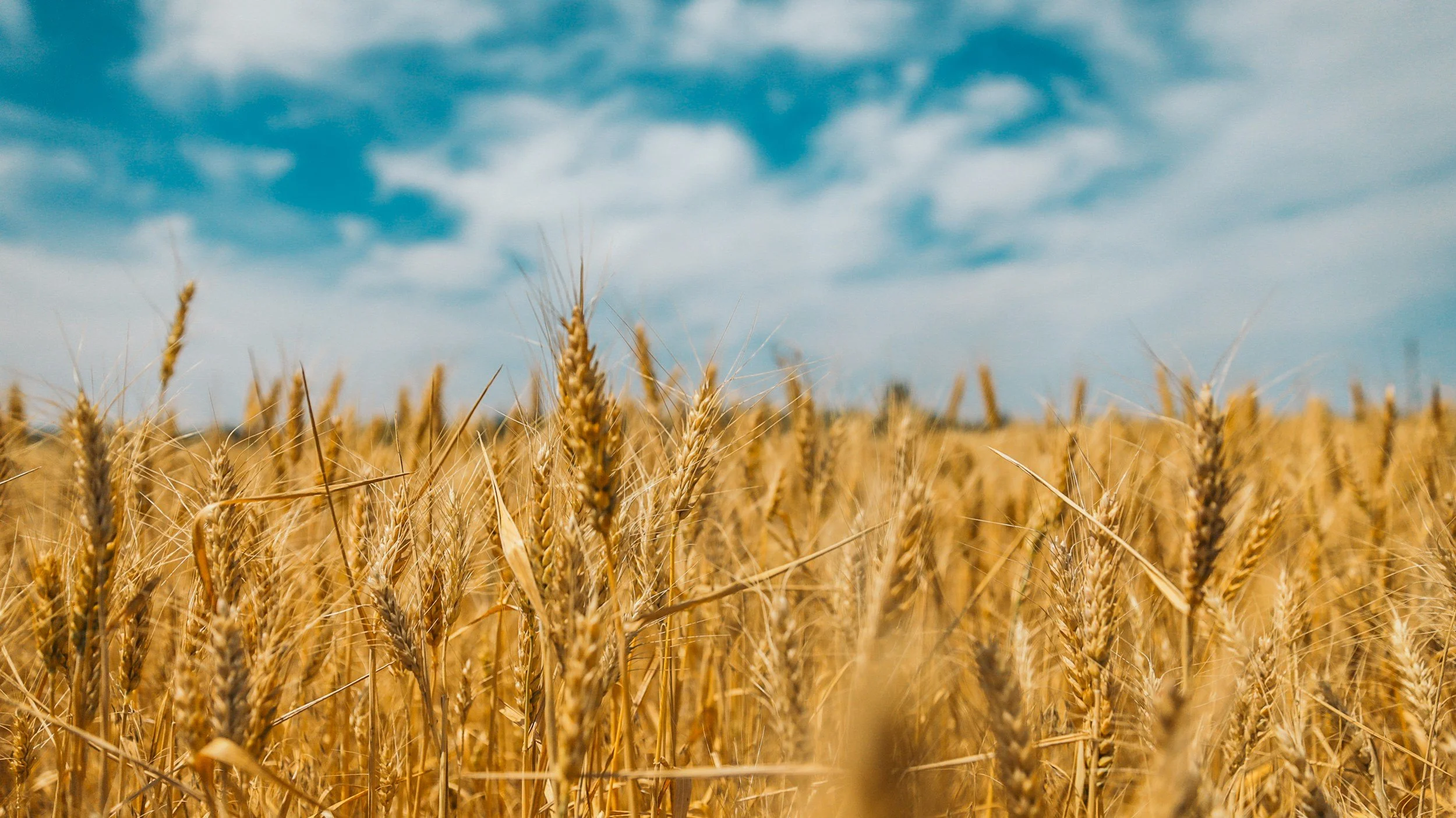
The relationship between agriculture and Sabbat celebrations is deeply intertwined, as these rituals are closely aligned with the agricultural calendar. Each Sabbat marks a significant point in the farming year, from the first stirrings of spring to the final harvest. By observing these sacred times, pagans honor the earth’s fertility and express gratitude for the sustenance it provides.
Imbolc heralds the end of winter and the beginning of the agricultural year, a time for cleansing and preparation. Ostara, with its focus on planting and renewal, celebrates the sowing of seeds and the promise of new growth. Beltane, a festival of fertility, coincides with the blossoming of flowers and the greening of the earth, symbolizing the union of the god and goddess and the fecundity of the land.
Lammas and Mabon are harvest festivals, celebrating the bounty of the earth and the hard work of farmers. These Sabbats are times of thanksgiving, feasting, and sharing the fruits of the harvest with the community. Samhain marks the end of the agricultural year, a time for honoring the dead and reflecting on the cycles of life and death. Through these celebrations, pagans maintain a deep connection to the land and the rhythms of the natural world.
Ancestral Heritage: How Sabbats Honor Our Forebears
Honoring ancestors is a significant aspect of Sabbat rituals, as these celebrations often include moments of reflection and remembrance. Samhain, in particular, is a time to honor the dead and seek guidance from those who have passed on. It is believed that the veil between the worlds is thinnest at this time, allowing for communication with ancestors and the spirits of the deceased.
Ancestral heritage is also celebrated through the continuation of ancient traditions and practices. By observing Sabbats, pagans keep alive the customs and beliefs of their forebears, maintaining a living connection to the past. These rituals serve as a link between generations, preserving the wisdom and knowledge of those who came before.
In addition to honoring the dead, Sabbat rituals often include elements that celebrate family and community. Feasts, storytelling, and communal activities are common, fostering a sense of belonging and continuity. Through these practices, pagans acknowledge the contributions of their ancestors and the importance of maintaining strong connections to their heritage.
Ritual Practices: Common Elements in Sabbat Celebrations
Sabbat rituals vary widely among different pagan traditions, but they often include common elements that reflect their shared purpose and themes. Offerings are a central part of these rituals, symbolizing gratitude and reverence for the divine forces that sustain life. Offerings may include food, flowers, candles, and other items that represent the bounty of the earth.
Feasting is another common element of Sabbat celebrations, bringing together community members to share in the abundance of the harvest. These communal meals often feature seasonal foods and traditional dishes, creating a sense of continuity with the past. Feasts are times for joy, celebration, and the strengthening of social bonds.
Rituals also often include elements of purification and protection, such as the lighting of fires, the use of sacred herbs, and the creation of protective circles. These practices serve to cleanse and sanctify the ritual space, preparing it for communion with the divine. Through these common elements, Sabbat rituals create a sacred space for reflection, introspection, and connection to the natural world.
Modern Interpretations of Sabbat Rituals in Agriculture
In contemporary times, the agricultural focus of Sabbat rituals has evolved to accommodate modern lifestyles and practices. While traditional farming may no longer be a central part of many people’s lives, the themes of growth, harvest, and sustainability remain relevant. Modern pagans often adapt these rituals to reflect their personal experiences and contemporary concerns.
Urban gardening, community-supported agriculture (CSA), and sustainable farming practices are ways in which modern pagans connect with the agricultural roots of Sabbat celebrations. These practices allow individuals to engage with the cycles of nature, even in urban environments, and to cultivate a sense of responsibility for the earth’s well-being.
Additionally, modern interpretations of Sabbat rituals often emphasize environmental stewardship and ecological awareness. By incorporating themes of sustainability and conservation into their practices, pagans honor the earth and its resources, ensuring that the principles of balance and harmony are upheld. Through these adaptations, Sabbat rituals continue to serve as a vital link between spirituality and the natural world.
The Role of Community in Celebrating Sabbats and Solar Festivals
Community is a fundamental aspect of Sabbat and solar festival celebrations, as these rituals are often communal events that bring people together. By participating in these shared experiences, individuals strengthen their bonds with each other and with the natural world. The sense of belonging and unity that arises from communal celebrations is a powerful force for fostering connection and support.
Many pagan communities hold public rituals, festivals, and gatherings to mark the Sabbats and solar festivals. These events provide opportunities for education, collaboration, and mutual support, creating a vibrant and inclusive environment for spiritual practice. By coming together to celebrate, participants can share their knowledge, experiences, and traditions, enriching the collective experience.
The communal aspect of these celebrations also extends to the sharing of resources and support. Feasts, communal meals, and the exchange of goods and services are common practices, reflecting the themes of abundance and reciprocity. Through these communal activities, pagans cultivate a sense of interdependence and mutual aid, reinforcing the values of community and cooperation.
Embracing the Sacred in Contemporary Pagan Practices
In exploring the pagan significance of Sabbat rituals and solar festivals, we uncover a rich tapestry of practices that celebrate the cycles of nature, honor our ancestors, and strengthen our connections to the earth and each other. These sacred observances remind us of the profound interdependence between humanity and the natural world, encouraging us to live in harmony with the rhythms of life.
Whether through traditional agricultural practices or modern adaptations, the essence of these rituals remains the same: to honor the divine forces that sustain us, to express gratitude for the earth’s bounty, and to foster a sense of community and continuity. By embracing these practices, contemporary pagans cultivate a deep sense of reverence for the natural world and a commitment to preserving its balance and harmony.
As we continue to navigate the complexities of modern life, the wisdom of Sabbat rituals and solar festivals offers valuable guidance. These sacred observances provide moments of reflection, celebration, and connection, helping us to nurture both the land and the spirit. By honoring the sacred in our lives, we can create a more harmonious and sustainable future for ourselves and for generations to come.