Enchanting Cinematics: The Top 10 Witchcraft Movies That Captivate and Bewitch
Step into a world shimmering with magic, mystery, and the allure of the unknown. Witchcraft has long captivated our imaginations, weaving its way through folklore and film alike. From sinister spells to enchanting rituals, the cinematic portrayal of witches invites audiences to explore the deepest corners of the human psyche. In this journey through celluloid sorcery, we've curated a spellbinding list of the top 10 witchcraft movies that are sure to captivate and bewitch you. Each film transports viewers into a realm where the supernatural dances harmoniously with reality, beckoning us to discover hidden truths about power, love, and fear. So, grab your broomstick and prepare for a thrilling cinematic adventure that promises to leave you spellbound!
The Evolution of Witchcraft Movies
Witchcraft has always been a compelling subject, evolving from ancient folklore to modern cinematic masterpieces. Early depictions of witches in film were heavily influenced by the superstitions and fears of the time, often portraying them as malevolent beings in league with dark forces. Early 20th-century films like "Häxan" (1922) explored the historical and cultural roots of witchcraft, blending documentary and dramatization to delve into the hysteria surrounding witch trials. These early portrayals set the stage for the diverse representations of witches that would follow, tapping into societal anxieties and the human fascination with the supernatural.
As filmmaking techniques advanced, so did the sophistication of witchcraft movies. The mid-20th century saw a shift towards more nuanced and varied portrayals. Films like "Bell, Book and Candle" (1958) introduced audiences to the idea of witches living among us, blending romance and comedy with the magical. This era began to explore the complexities of witchcraft, moving away from purely villainous depictions to include more sympathetic and relatable characters. The 1960s and 70s further expanded this trend with films like "Rosemary's Baby" (1968) and "Suspiria" (1977), which combined psychological horror with occult themes, creating a more intimate and terrifying experience for viewers.
The late 20th and early 21st centuries brought a significant transformation in the portrayal of witches in cinema. The success of movies like "The Craft" (1996) and "Practical Magic" (1998) showcased witches as protagonists, grappling with personal issues and societal expectations while wielding their powers. These films resonated with audiences by presenting witches as complex, multi-dimensional characters rather than one-dimensional villains. The genre continued to evolve with the advent of special effects and digital technology, allowing for more visually stunning and immersive depictions of witchcraft. This period also saw a growing interest in exploring diverse cultural representations of witches, further enriching the genre and expanding its appeal.
Criteria for Selection: What Makes a Great Witchcraft Film?
Selecting the top witchcraft movies involves more than just listing popular titles; it requires a deep dive into what makes these films stand out in a crowded genre. A great witchcraft film must excel in several areas, including storytelling, character development, thematic depth, and visual artistry. Storytelling is paramount, as a compelling narrative with well-crafted plot twists keeps the audience engaged and invested in the characters' journeys. Whether it's a tale of good versus evil or a nuanced exploration of moral ambiguity, the story must be captivating and thought-provoking.
Character development is equally crucial, as the best witchcraft movies feature complex and relatable characters. Witches in these films are not mere archetypes but individuals with unique motivations, strengths, and flaws. Their struggles, triumphs, and inner conflicts add depth to the narrative and create a more immersive experience for the audience. A well-developed character arc allows viewers to connect with the witches on a personal level, making their magical exploits all the more thrilling and meaningful.
Thematic depth is another essential criterion, as the most memorable witchcraft movies often explore profound and universal themes. These films delve into issues such as power, identity, fear, and the human condition, using witchcraft as a metaphor to illuminate broader truths. Visual artistry also plays a significant role, as stunning cinematography, innovative special effects, and atmospheric settings enhance the magical and otherworldly aspects of the story. A great witchcraft film combines these elements to create a rich and immersive cinematic experience that lingers in the minds of viewers long after the credits roll.
Top 10 Witchcraft Movies You Must Watch
1. The Witch (2015)
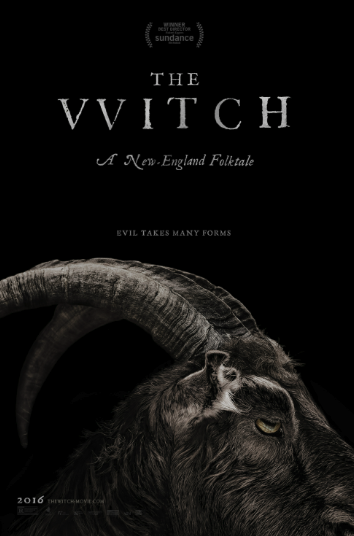
Robert Eggers' "The Witch" is a masterclass in atmospheric horror, set in 1630s New England. The film follows a Puritan family exiled to the edge of a dark forest, where they encounter malevolent forces. Anya Taylor-Joy's breakout performance as Thomasin, a young girl accused of witchcraft, anchors the chilling narrative. The film's meticulous attention to historical detail and its slow-burn tension make it a standout in the genre, creating an unsettling experience that lingers long after the final frame.
2. Hocus Pocus (1993)
A beloved Halloween classic, "Hocus Pocus" is a delightful mix of comedy, fantasy, and family-friendly scares. Directed by Kenny Ortega, the film follows three witches, played by Bette Midler, Sarah Jessica Parker, and Kathy Najimy, who are resurrected in modern-day Salem on Halloween night. Their antics and the ensuing chaos are both hilarious and heartwarming, making "Hocus Pocus" a perennial favorite that continues to enchant audiences of all ages.
3. Suspiria (1977)
Dario Argento's "Suspiria" is a visually stunning and surreal horror masterpiece. Set in a prestigious ballet academy in Germany, the film follows American student Suzy Bannion as she uncovers the sinister secrets lurking within the school's walls. Argento's use of vibrant colors, eerie music, and dreamlike sequences creates an otherworldly atmosphere that is both beautiful and terrifying. "Suspiria" remains a landmark in horror cinema, influencing countless filmmakers and captivating viewers with its unique blend of elegance and dread.
4. The Craft (1996)
Andrew Fleming's "The Craft" is a quintessential teen witch movie that explores themes of friendship, power, and identity. The film follows a group of high school girls who form a coven and experiment with witchcraft, leading to unintended consequences. With its memorable characters, iconic fashion, and a soundtrack that defined the era, "The Craft" has become a cult favorite and a touchstone for anyone interested in the intersection of adolescence and the supernatural.
5. Practical Magic (1998)
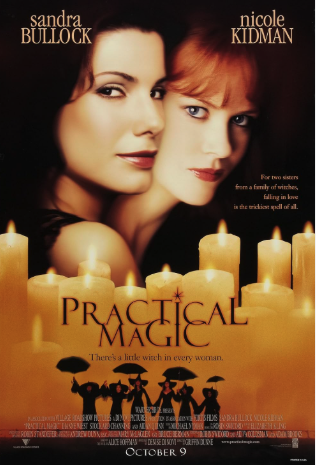
Based on Alice Hoffman's novel, "Practical Magic" is a charming and whimsical tale of sisterhood and self-discovery. Directed by Griffin Dunne, the film stars Sandra Bullock and Nicole Kidman as Sally and Gillian Owens, two sisters who come from a long line of witches. Their journey to break a family curse and find true love is filled with humor, heart, and a touch of magic. The film's enchanting visuals and heartfelt performances make it a beloved entry in the witchcraft genre.
6. Rosemary's Baby (1968)
Roman Polanski's "Rosemary's Baby" is a psychological horror classic that delves into themes of paranoia, control, and motherhood. The film follows Rosemary Woodhouse, played by Mia Farrow, as she becomes increasingly suspicious that her unborn child is part of a sinister plot involving witchcraft. Polanski's meticulous direction and the film's unsettling atmosphere create a sense of dread that builds to a shocking climax. "Rosemary's Baby" remains a powerful and influential film, exploring the darker aspects of witchcraft and human nature.
7. The Blair Witch Project (1999)
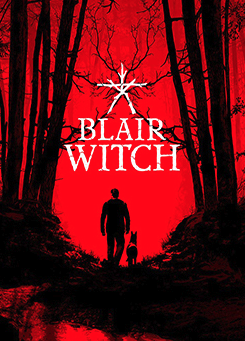
"The Blair Witch Project" revolutionized the horror genre with its innovative use of found-footage storytelling. Directed by Daniel Myrick and Eduardo Sánchez, the film follows three student filmmakers who venture into the Black Hills Forest to investigate the legend of the Blair Witch. Their terrifying ordeal is captured through handheld cameras, creating a sense of realism and immediacy that heightens the horror. The film's minimalist approach and psychological tension have made it a cultural phenomenon and a landmark in modern horror.
8. The Witches (1990)
Based on Roald Dahl's beloved children's book, "The Witches" is a darkly whimsical fantasy film directed by Nicolas Roeg. The story follows a young boy and his grandmother as they battle a coven of witches led by the Grand High Witch, played with menacing delight by Anjelica Huston. The film's blend of humor, suspense, and imaginative visuals make it a captivating adventure for audiences of all ages. "The Witches" remains a treasured classic, showcasing the enchanting and eerie world of witchcraft.
9. Black Sunday (1960)
Mario Bava's "Black Sunday" is a gothic horror masterpiece that has influenced generations of filmmakers. The film stars Barbara Steele as a vengeful witch who returns from the dead to wreak havoc on those who wronged her. Bava's striking use of black-and-white cinematography and atmospheric settings create a hauntingly beautiful film that is both chilling and mesmerizing. "Black Sunday" is a seminal work in the witchcraft genre, blending horror and artistry in a way that continues to captivate audiences.
10. The Love Witch (2016)
Anna Biller's "The Love Witch" is a visually stunning and subversive exploration of gender, power, and desire. The film follows Elaine, a modern-day witch who uses magic to make men fall in love with her, with deadly consequences. Biller's meticulous attention to detail, from the 1960s-inspired aesthetic to the richly layered narrative, creates a unique and thought-provoking film. "The Love Witch" is a bold and captivating entry in the witchcraft genre, challenging traditional notions of femininity and power.
Analysis of Themes and Motifs in Witchcraft Cinema
Witchcraft cinema is rich with recurring themes and motifs that reflect our deepest fears, desires, and societal anxieties. One prevalent theme is the exploration of power and its consequences. Many witchcraft films delve into the allure and danger of wielding supernatural abilities, often presenting witches as individuals who navigate the complex dynamics of control and influence. This theme is evident in films like "The Craft," where the characters' newfound powers lead to both empowerment and peril, highlighting the double-edged nature of magical abilities.
Another common motif is the intersection of witchcraft and identity. Witchcraft often serves as a metaphor for personal transformation and self-discovery, allowing characters to explore different facets of their identities. In "Practical Magic," the Owens sisters' journey to embrace their heritage and break the family curse is intertwined with their quest for self-acceptance and love. This motif resonates with audiences by presenting witchcraft as a means of empowerment and self-expression, rather than just a source of fear and conflict.
The theme of persecution and societal fear also runs deep in witchcraft cinema. Many films draw on historical witch trials and the hysteria that surrounded them, using these events as a backdrop to explore themes of scapegoating, paranoia, and the dangers of mass hysteria. "The Witch" exemplifies this by depicting a family's descent into madness and suspicion as they confront the unknown. These themes provide a poignant commentary on the consequences of fear and ignorance, reflecting broader societal issues that remain relevant today.
Iconic Witchcraft Characters in Film History
Throughout the history of witchcraft cinema, certain characters have become iconic, leaving a lasting impact on audiences and shaping the genre. One such character is Winifred Sanderson from "Hocus Pocus," portrayed by Bette Midler. Winifred, with her flamboyant personality and wicked sense of humor, has become a beloved figure, epitomizing the blend of menace and charm that defines many cinematic witches. Her memorable performance and the film's enduring popularity have cemented Winifred as a cultural icon.
Another iconic witch is Nancy Downs from "The Craft," played by Fairuza Balk. Nancy's transformation from a troubled teenager to a powerful and vengeful witch is both captivating and chilling. Her intense performance and the character's complex arc have made Nancy a standout figure in the genre, representing the darker aspects of witchcraft and the consequences of unchecked power. Nancy's journey resonates with audiences, capturing the allure and danger of the supernatural.
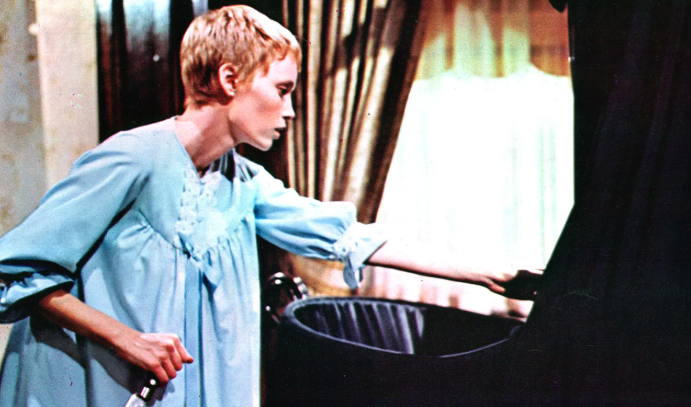
Mia Farrow's portrayal of Rosemary Woodhouse in "Rosemary's Baby" offers a different but equally iconic take on witchcraft. While Rosemary herself is not a witch, her descent into paranoia and her eventual victimization by a coven of witches create a haunting and unforgettable character. Farrow's nuanced performance and the film's psychological depth make Rosemary a central figure in the exploration of witchcraft's darker and more insidious aspects. Her story underscores the themes of control, fear, and the vulnerability of the human psyche.
The Cultural Impact of Witchcraft Movies
Witchcraft movies have had a profound cultural impact, influencing not only the film industry but also broader societal attitudes and trends. These films often reflect and shape our collective anxieties, desires, and values, offering a lens through which we can examine the human condition. The portrayal of witches in cinema has evolved over time, mirroring changes in societal attitudes towards gender, power, and the supernatural. This evolution has contributed to a richer and more diverse representation of witches, challenging stereotypes and broadening the genre's appeal.
One significant aspect of the cultural impact of witchcraft movies is their role in empowering marginalized groups. Many witchcraft films feature strong, independent female characters who defy societal norms and expectations. These portrayals resonate with audiences seeking representation and validation, offering a source of inspiration and empowerment. Films like "The Craft" and "Practical Magic" have become cultural touchstones for those who identify with the themes of self-discovery and empowerment, fostering a sense of community and belonging.
Witchcraft movies have also influenced popular culture, inspiring fashion, music, and other forms of artistic expression. The aesthetic and iconography of witchcraft, from dark, gothic attire to mystical symbols, have permeated various cultural trends. This influence is evident in the popularity of witch-themed clothing lines, music videos, and social media communities dedicated to the exploration of witchcraft and the occult. The enduring fascination with witches and their portrayal in cinema continues to shape and enrich our cultural landscape.
Behind the Scenes: Filmmakers Who Brought Witchcraft to Life
The magic of witchcraft movies is brought to life by the vision and creativity of talented filmmakers. Directors like Robert Eggers, Dario Argento, and Roman Polanski have made significant contributions to the genre, each bringing their unique style and perspective. Eggers' meticulous attention to historical accuracy and atmospheric storytelling in "The Witch" creates an immersive and unsettling experience. Argento's vibrant use of color and surreal imagery in "Suspiria" elevates the film to an art form, blending horror with visual beauty.
Polanski's "Rosemary's Baby" showcases his skill in building psychological tension and exploring complex themes. His direction creates a sense of claustrophobia and paranoia that intensifies the film's horror. These directors, along with many others, have pushed the boundaries of the genre, experimenting with narrative structure, visual style, and thematic depth to create unforgettable films that captivate and bewitch audiences.
The contributions of writers, cinematographers, and special effects artists are also crucial in bringing witchcraft movies to life. Writers like Andrew Fleming, who co-wrote "The Craft," and Alice Hoffman, whose novel inspired "Practical Magic," provide the foundational stories that explore the multifaceted nature of witchcraft. Cinematographers like Luciano Tovoli, who worked on "Suspiria," use their craft to create visually stunning and atmospheric scenes that enhance the magical and eerie qualities of the films. Special effects artists bring the supernatural elements to life, creating spellbinding visuals that transport viewers into the world of witchcraft.
Future Trends in Witchcraft Movies
As the genre of witchcraft movies continues to evolve, several emerging trends suggest a bright and innovative future. One notable trend is the increasing focus on diverse cultural representations of witchcraft. Filmmakers are exploring witchcraft traditions from various cultures, offering fresh and unique perspectives that enrich the genre. This trend not only broadens the scope of witchcraft cinema but also fosters greater inclusivity and representation, allowing audiences to see themselves reflected in these magical narratives.
Another trend is the blending of genres, as filmmakers experiment with combining witchcraft with elements of science fiction, fantasy, and psychological horror. This fusion creates hybrid films that push the boundaries of traditional storytelling, offering new and exciting ways to explore themes of power, identity, and the supernatural. Films like "The Love Witch" exemplify this trend, blending retro aesthetics with contemporary themes to create a unique and thought-provoking cinematic experience.
Advancements in technology and special effects also promise to elevate the visual storytelling in witchcraft movies. With the continued development of CGI and practical effects, filmmakers can create more immersive and visually stunning depictions of witchcraft. These advancements allow for more imaginative and elaborate magical sequences, enhancing the overall cinematic experience. As filmmakers continue to innovate and push the boundaries of the genre, the future of witchcraft movies looks promising, offering endless possibilities for captivating and bewitching stories.
The Lasting Allure of Witchcraft in Cinema
The enduring appeal of witchcraft movies lies in their ability to transport audiences into worlds filled with magic, mystery, and the unknown. These films captivate and bewitch viewers by exploring the complexities of human nature, the allure of power, and the consequences of our choices. From early portrayals steeped in superstition to modern interpretations that challenge stereotypes and explore diverse perspectives, witchcraft cinema continues to evolve and resonate with audiences worldwide.
The top 10 witchcraft movies highlighted in this article showcase the genre's rich and varied landscape, offering something for everyone, whether you seek spine-tingling horror, whimsical fantasy, or thought-provoking drama. These films not only entertain but also invite us to reflect on deeper themes and universal truths, making them timeless and influential works of art. The iconic characters, captivating stories, and stunning visuals of these movies have left an indelible mark on popular culture, inspiring generations of filmmakers and audiences alike.
As we look to the future, witchcraft movies will undoubtedly continue to enchant and inspire, drawing us into their magical worlds and challenging us to see beyond the ordinary. The lasting allure of witchcraft in cinema lies in its ability to ignite our imaginations, evoke our deepest emotions, and remind us of the power and mystery that lies within us all. So, whether you're revisiting a beloved classic or discovering a new favorite, let these enchanting films cast their spell and transport you to a realm where anything is possible.