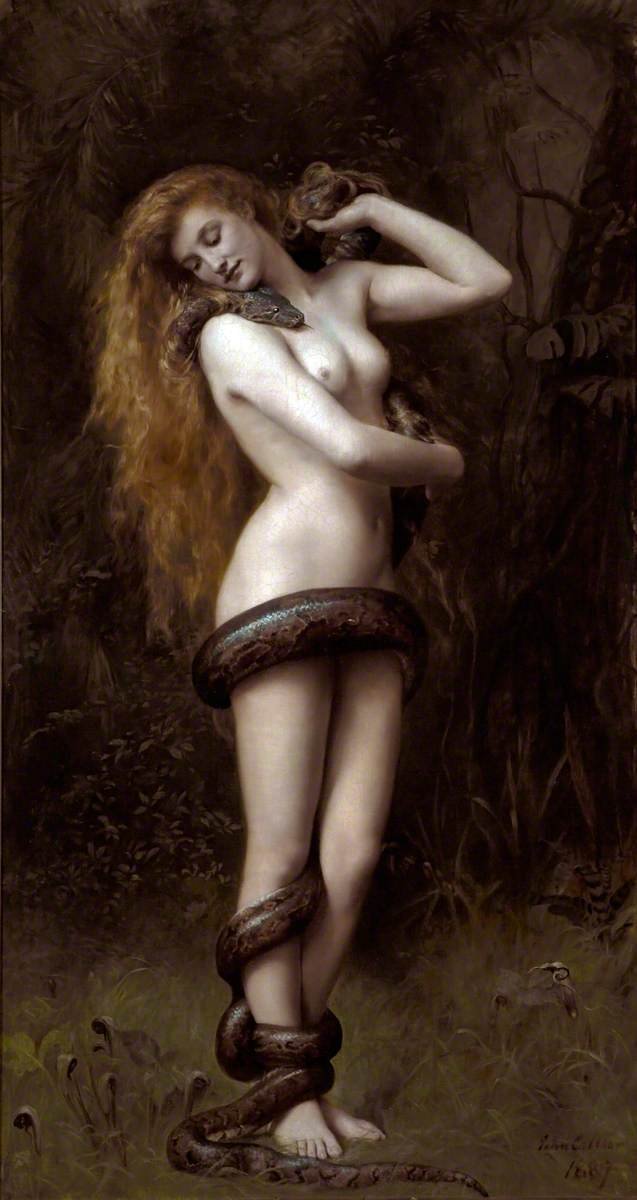
Lilith
Dark Mother, First Woman, Shadow of the Feminine
-
![Crescent moon glowing orange in a black night sky.]()
dark mother
-
![Close-up of young evergreen trees growing in a mossy forest.]()
first woman
-
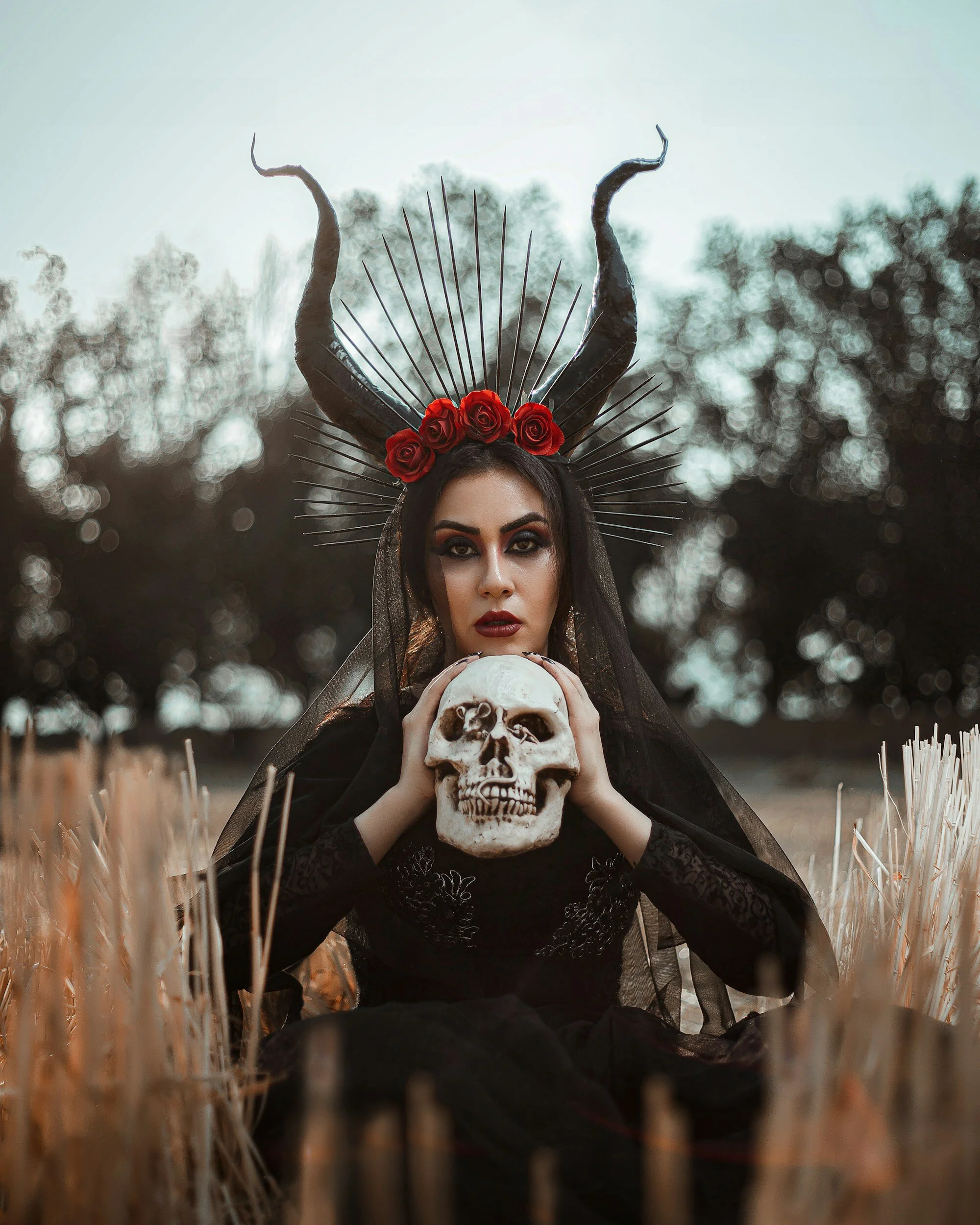
![Woman in black attire with horns and roses, holding a skull in a field.]()
enchantress
-
![A person performing a fire dance with swirling flames in a nighttime setting.]()
feminist
-
![]()
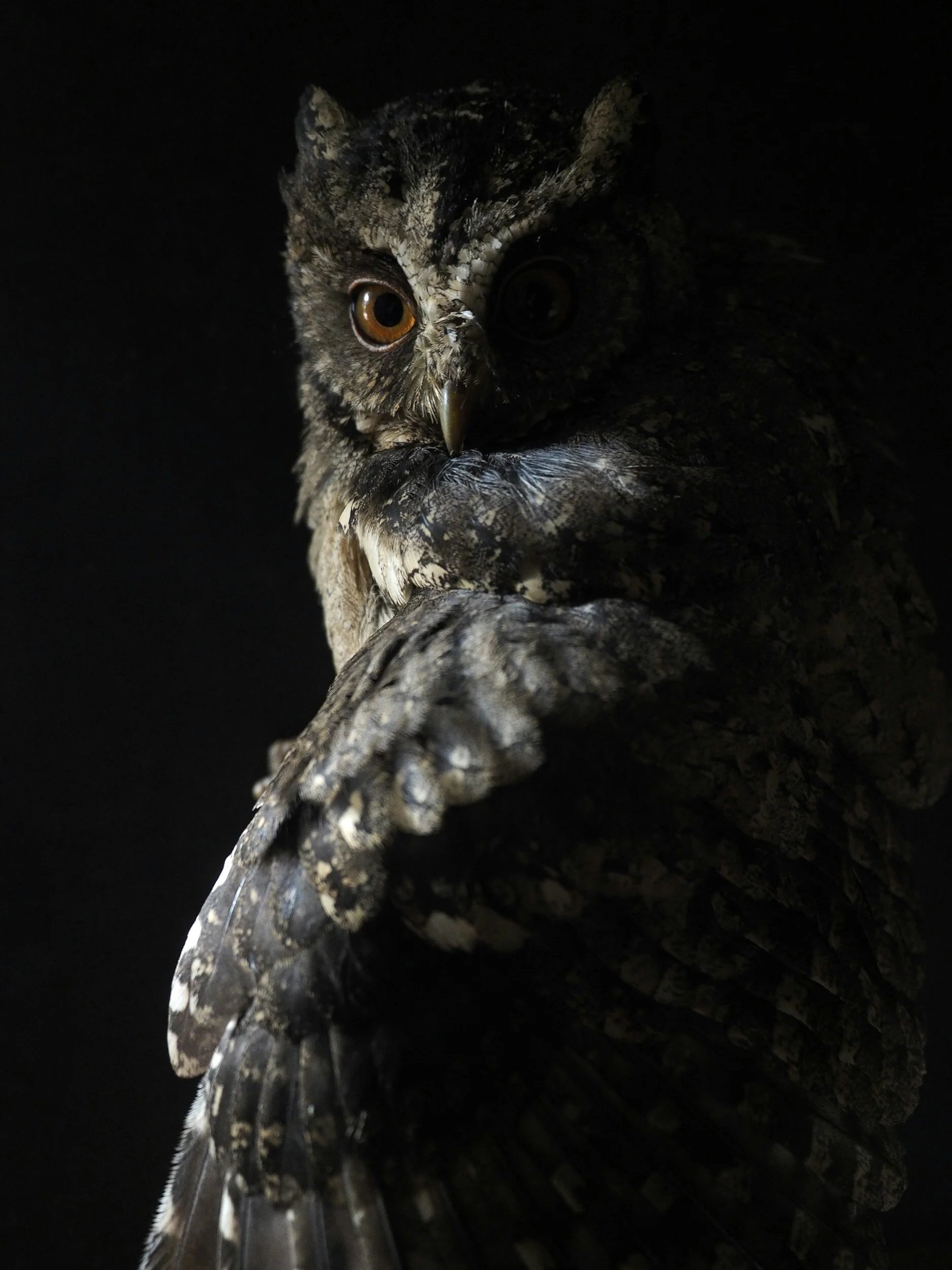
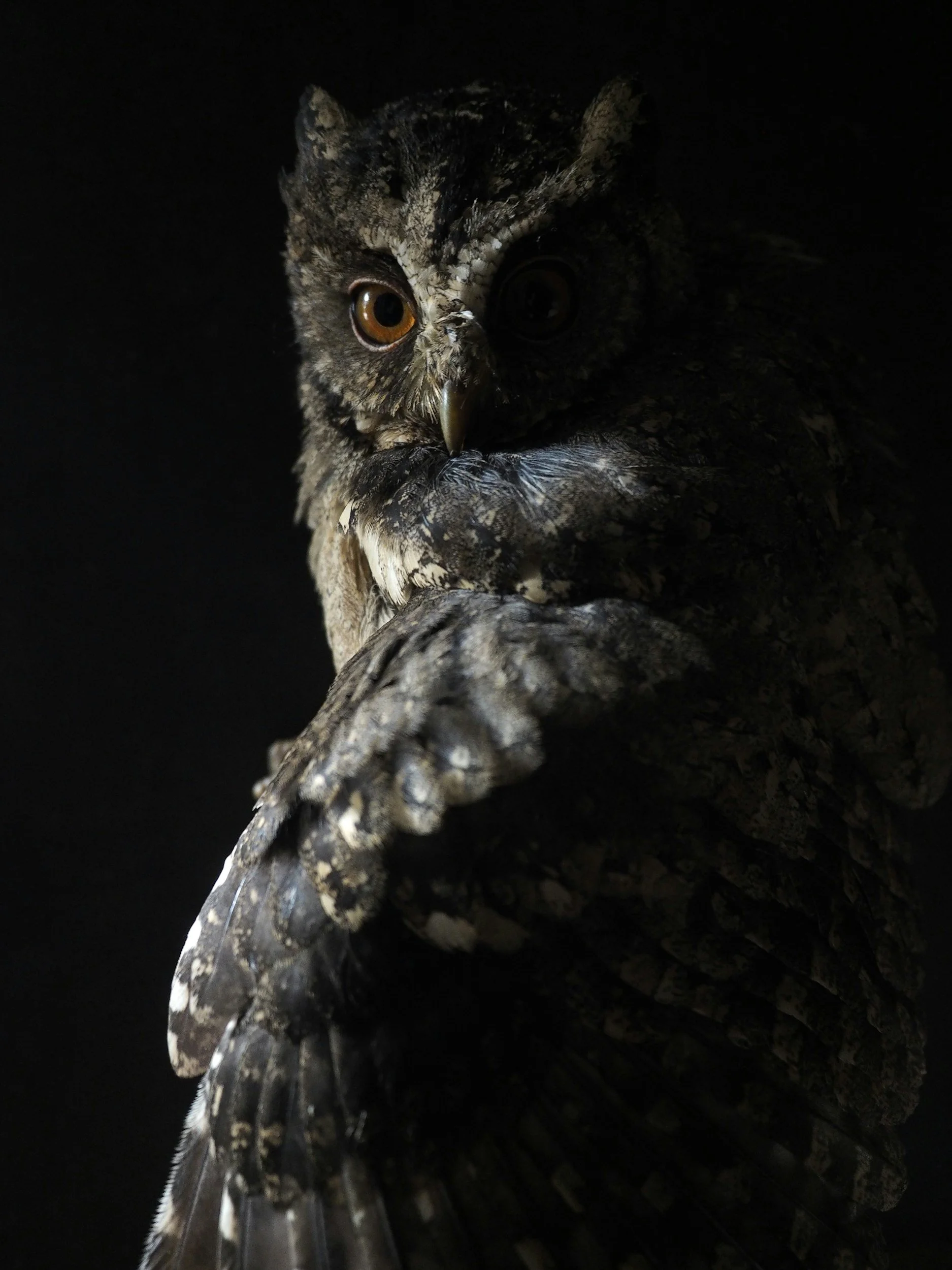
Night Owl




PSYCHOLOGICAL + SHADOW WORK INTERPRETATION
Lilith represents the disowned feminine—the emotions, desires, instincts, and truths we learned to push into the dark:
anger
erotic power
refusal
unmet needs
boundaries
truth-telling
“too muchness”
the desire to choose yourself
In shadow work, Lilith arises when a woman says:
“I’m done being small.”
“I won’t betray myself anymore.”
“I’m not submitting to what harms me.”
“I choose me.”
Integrating Lilith is not about becoming chaotic or destructive.
It’s about reclaiming yourself from the versions of you built for survival.

Lilith
Lilitu
לִילִית
Sumerian & Akkadian Roots
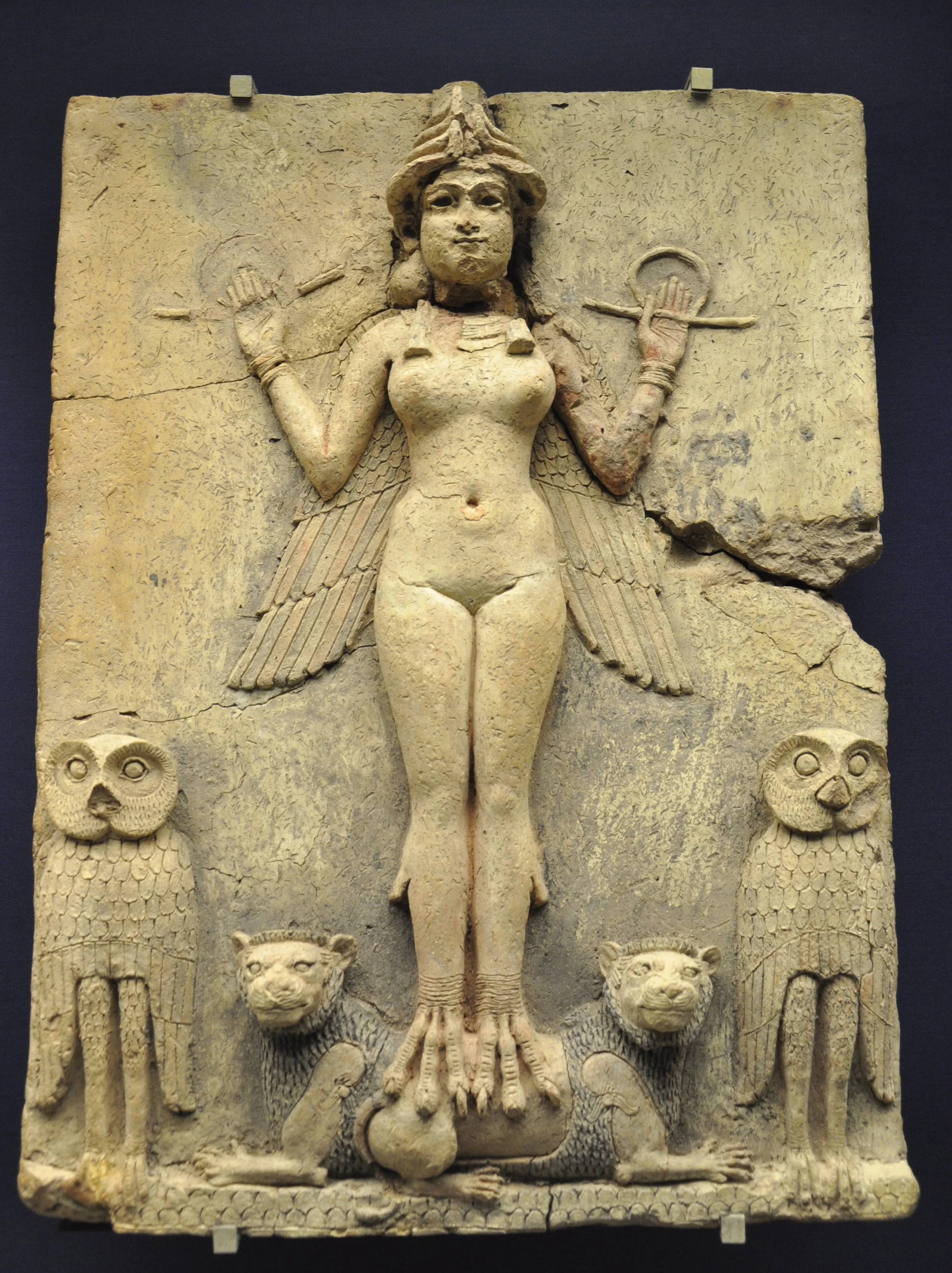
Before she appeared in Jewish folklore, Lilith existed in Mesopotamian myth as a desert spirit connected to storms, independence, and feminine potency. Early texts describe beings called Lilītu or Lilu—liminal, nocturnal, powerful, and neither fully benevolent nor malevolent.
Jewish Folklore: The First Woman
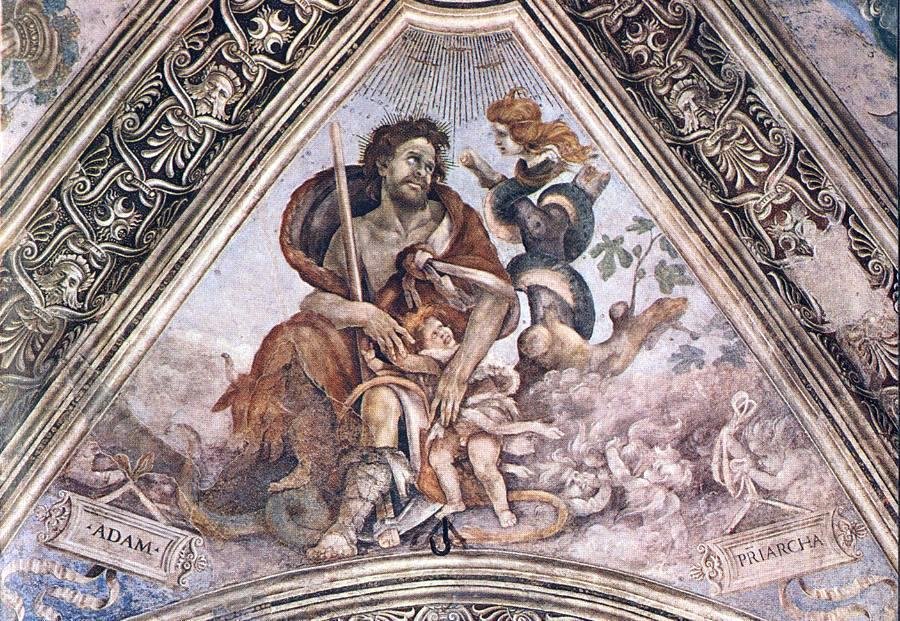
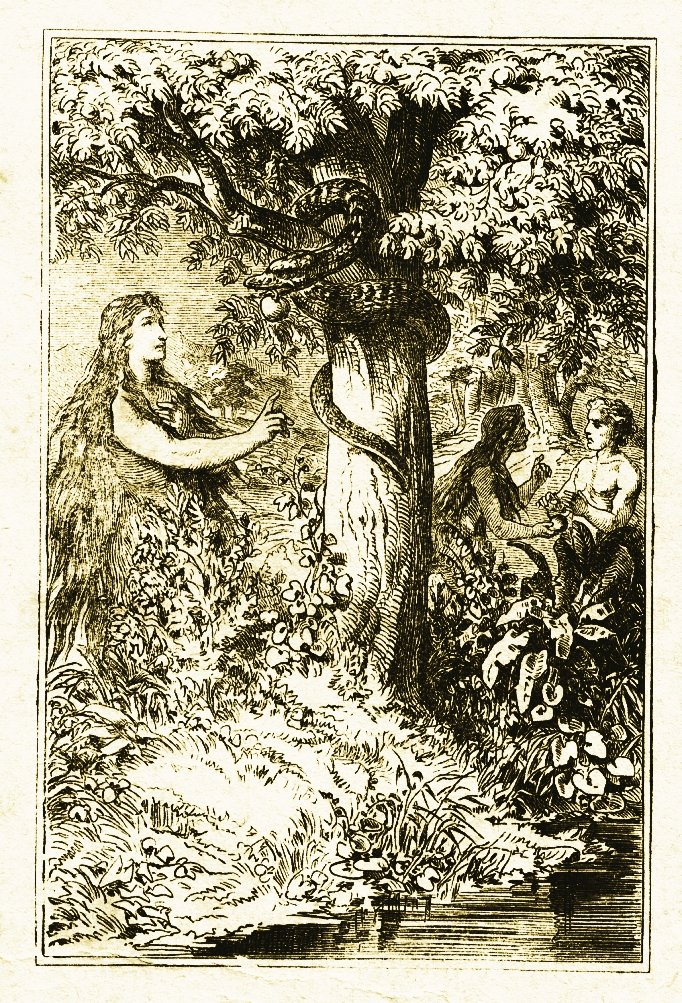
In medieval Jewish writings, Lilith emerges as Adam’s first wife—created from the same earth as he was.
She demanded equality:
“We are made of the same soil. We are equal.”
When Adam insisted she lie beneath him, Lilith refused.
She spoke the secret Name of God and flew from Eden—choosing exile over obedience.
This marks the first recorded moment in mythic history where a woman says no to hierarchy.
Demonization & Patriarchal Reframing
After leaving Eden, later stories recast Lilith as dangerous, seductive, or demonic—as patriarchal systems often do to women who refuse obedience.
Her “punishment” becomes cultural propaganda:
Women must not be like her.
But symbolically?
Her refusal is the birth of feminine autonomy.
Medieval & Kabbalistic Texts
In Kabbalah, Lilith is associated with the shadow of the feminine—the aspects repressed by collective culture:
sexual freedom
power without permission
rage as sacred boundary
sovereignty
self-definition
These traits were labeled “dangerous,” but in psychological work, they point to wholeness.
Banishment of Lilith from the Garden of Eden
The story goes:
Lilith demanded equality.
Adam demanded dominance.
When she refused, she was cast as villain, monster, seductress—anything to justify her exile.
This mirrors the experience of women who:
leave abusive partners
refuse generational roles
break cycles
step into power
say “no” when they were taught never to
Eden didn’t expel Lilith.
Patriarchy did.
And she chose self-sovereignty anyway.
-
![Moonlit night sky over ocean with clouds, dark and moody atmosphere.]()
night monster
-
![Close-up of orange flames on a black background]()
mother of demons
-
![A close-up of an owl with detailed plumage and piercing eyes set against a dark background.]()
night owl