Embracing the Wild Woman Archetype
In a world that often demands conformity, the Wild Woman Archetype invites you to embrace your authentic self, celebrating the fierce, intuitive spirit within. From ancient goddesses like Lilith and Artemis to literary legends such as Hester Prynne and Jo March, these figures resonate with the untamed aspects of femininity. They challenge normative expectations and inspire a journey of self-discovery that is anything but ordinary. Are you compelled by the call of the wild? Do you find solace in nature, feel a deep connection to your instincts, or express your creativity in bold, unapologetic ways? Recognizing the signs you embody the Wild Woman Archetype can empower you to reclaim your power and unleash your inner goddess. Join us as we explore the essence of this transformative archetype, the powerful women who personify it, and the profound journey of embracing your wild side.

Understanding the Wild Woman Archetype
In a society that often values predictability and uniformity, the Wild Woman Archetype stands as a beacon of individuality and freedom. This archetype represents the untamed, instinctual nature within every woman, calling her to live authentically and embrace her true self without fear or hesitation. Rooted in the depths of the psyche, the Wild Woman Archetype transcends societal norms and expectations, embodying a sense of raw energy, creativity, and intuition that cannot be subdued. It is a call to return to the primal essence of womanhood, where one's inner voice is honored and one's instincts are trusted.
The Wild Woman is not a new construct; it is an ancient and timeless presence that has been revered and feared throughout history. She is the embodiment of feminine power that refuses to be tamed, a force of nature that is both nurturing and destructive. This archetype is often misunderstood and misrepresented in modern culture, where wildness is equated with chaos and danger. However, the true essence of the Wild Woman is one of balance and harmony, where the primal and the civilized coexist in a dynamic dance.
To understand the Wild Woman Archetype, it is essential to look beyond the surface and delve into the deeper layers of the psyche where this archetype resides. It is about connecting with the inner wilderness, the part of us that is fierce, free, and unapologetically authentic. This journey requires courage and a willingness to confront the parts of ourselves that we have been conditioned to suppress. It is a path of self-discovery and empowerment that leads to a more fulfilling and meaningful life.
The Historical Context of the Wild Woman
The concept of the Wild Woman can be traced back to ancient myths and legends, where she is often depicted as a powerful and enigmatic figure. In many cultures, the Wild Woman was revered as a goddess or a shaman, a keeper of wisdom and a guide to the mysteries of life. She was seen as a bridge between the human and the divine, a conduit for the primal forces of nature. These ancient stories provide valuable insights into the enduring presence and significance of the Wild Woman Archetype.
In ancient Greece, the goddess Artemis was a quintessential representation of the Wild Woman. As the goddess of the hunt, wilderness, and childbirth, Artemis embodied independence, strength, and a deep connection to nature. She was a protector of women and children, a fierce warrior who upheld her values with unwavering determination. Artemis's mythology reveals a complex and multifaceted character who defied traditional gender roles and embraced her wild essence.
Similarly, in Mesopotamian mythology, the goddess Lilith represents the untamed aspects of femininity. Often depicted as a demoness in later interpretations, Lilith was originally a powerful goddess associated with fertility and the earth. Her story reflects themes of rebellion and autonomy, as she refused to be subjugated by patriarchal norms. Lilith's enduring legacy highlights the tension between societal expectations and the inherent wildness within women.
These historical contexts demonstrate that the Wild Woman Archetype has always been a part of the human experience. The myths and legends that depict her serve as reminders of the primal forces that reside within us all. They challenge us to embrace our wild nature and to honor the wisdom and strength that come from living authentically.
Goddesses Representing the Wild Woman
Throughout history, various goddesses have personified the Wild Woman Archetype, each embodying different aspects of this powerful force. These deities serve as archetypal figures that can guide and inspire women on their journey toward self-discovery and empowerment. By understanding the qualities and attributes of these goddesses, we can gain a deeper appreciation for the diverse expressions of the Wild Woman.
One such goddess is Kali, the Hindu goddess of destruction and transformation. Kali is often depicted with a fierce and fearsome appearance, symbolizing the power of destruction and rebirth. She represents the wild, untamed aspects of the feminine that can bring about profound change and transformation. Kali's energy is both terrifying and liberating, reminding us that true growth often requires the dismantling of old structures and beliefs.
Another goddess that embodies the Wild Woman Archetype is the Norse goddess Freyja. As the goddess of love, beauty, fertility, and war, Freyja is a complex and multifaceted figure. She is a fearless warrior who leads the Valkyries into battle, yet she is also a goddess of love and sensuality. Freyja's dual nature reflects the inherent balance within the Wild Woman, where strength and vulnerability coexist in harmony.
Hecate, the Greek goddess of witchcraft, magic, and the crossroads, is another powerful representation of the Wild Woman. Often associated with the moon and the night, Hecate embodies the mysterious and intuitive aspects of the feminine. She is a guide to the underworld and a protector of those who seek to explore the hidden realms of the psyche. Hecate's wisdom and insight remind us of the importance of embracing our intuition and trusting the guidance of our inner voice.
These goddesses, along with many others, serve as powerful symbols of the Wild Woman Archetype. They inspire us to embrace our wild nature, to honor our intuition, and to live authentically. By connecting with these archetypal figures, we can tap into the primal energy that resides within us and unlock our true potential.
Literary Legends and Their Wild Woman Traits
Literature has long been a fertile ground for exploring the complexities of the human experience, and the Wild Woman Archetype is no exception. Many literary characters embody the traits of the Wild Woman, challenging societal norms and inspiring readers with their fierce independence and authenticity. These characters serve as powerful role models, demonstrating the transformative power of embracing one's wild nature.
One of the most iconic literary representations of the Wild Woman is Hester Prynne, the protagonist of Nathaniel Hawthorne's "The Scarlet Letter." Hester defies the rigid Puritanical norms of her society by embracing her identity as a mother and a woman who has loved passionately. Despite the shame and ostracism she faces, Hester remains true to herself, raising her daughter with strength and dignity. Her resilience and courage in the face of adversity exemplify the Wild Woman's refusal to be tamed.
Jo March, from Louisa May Alcott's "Little Women," is another literary figure who embodies the Wild Woman Archetype. Jo is fiercely independent, creative, and ambitious, often challenging the traditional gender roles of her time. Her passion for writing and her determination to live life on her own terms make her a powerful example of the Wild Woman's spirit. Jo's journey of self-discovery and empowerment serves as an inspiration for women who seek to embrace their authentic selves.
In more contemporary literature, we find characters like Lisbeth Salander from Stieg Larsson's "The Girl with the Dragon Tattoo." Lisbeth is a complex and enigmatic figure who embodies the Wild Woman's resilience, intelligence, and fierce independence. Despite facing immense challenges and trauma, she remains true to herself and fights for justice in her own unconventional way. Lisbeth's strength and resourcefulness highlight the Wild Woman's ability to navigate the complexities of the modern world.
These literary legends, and many others, provide valuable insights into the Wild Woman Archetype and its significance in the human experience. They challenge us to question societal norms and to embrace our true selves, no matter how unconventional or untamed. By connecting with these characters, we can find inspiration and guidance on our own journey toward self-discovery and empowerment.

The Psychological Significance of the Wild Woman
The Wild Woman Archetype holds profound psychological significance, offering insights into the deeper layers of the human psyche. This archetype represents the instinctual and primal aspects of the feminine, which are often suppressed or denied in modern society. By embracing the Wild Woman, we can reconnect with our authentic selves and access a wellspring of creativity, intuition, and inner strength.
From a Jungian perspective, the Wild Woman Archetype is an essential component of the collective unconscious, representing the universal patterns and symbols that shape human experience. Carl Jung, the Swiss psychiatrist and psychoanalyst, believed that archetypes are innate, universal prototypes for ideas and may be used to interpret observations. The Wild Woman is one such archetype, embodying the untamed and instinctual aspects of the feminine psyche.
Psychologically, the Wild Woman represents the integration of the shadow, the unconscious part of the personality that contains repressed weaknesses, desires, and instincts. By confronting and embracing the shadow, we can achieve greater self-awareness and wholeness. The Wild Woman invites us to explore the depths of our psyche, to confront our fears and desires, and to integrate the primal aspects of our nature.
The Wild Woman Archetype also plays a crucial role in the individuation process, the journey toward becoming one's true self. Individuation involves the integration of various aspects of the self, including the conscious and unconscious, the rational and the instinctual, the civilized and the wild. The Wild Woman serves as a guide on this journey, helping us to navigate the complexities of our inner world and to embrace our authentic selves.
By embracing the Wild Woman Archetype, we can access a deeper sense of empowerment and fulfillment. This archetype encourages us to trust our intuition, to honor our instincts, and to live in harmony with our true nature. It is a call to reclaim our power and to live authentically, free from the constraints of societal expectations. The psychological significance of the Wild Woman is profound, offering a path to self-discovery and transformation.
Signs You Might Be Embracing the Wild Woman Archetype
Recognizing the signs that you embody the Wild Woman Archetype can be a powerful and transformative experience. This awareness allows you to embrace your true self and to live in alignment with your authentic nature. Here are some signs that you might be embracing the Wild Woman Archetype:
A Deep Connection to Nature: If you feel a profound sense of peace and belonging when you are in nature, you may be embodying the Wild Woman Archetype. Whether it's a walk in the forest, a swim in the ocean, or simply sitting under a tree, nature has a way of grounding and rejuvenating you. You may find solace in the natural world and feel a deep connection to the rhythms and cycles of the earth.
Strong Intuition and Instincts: The Wild Woman is deeply intuitive and trusts her instincts. If you find that you have a strong inner knowing and are guided by your intuition, you may be embracing this archetype. You listen to your inner voice and make decisions based on your gut feelings, even if they go against conventional wisdom.
Creativity and Self-Expression: The Wild Woman is a creative force, expressing herself in bold and unapologetic ways. If you have a passion for creative pursuits and find joy in expressing yourself through art, music, writing, or other forms of creativity, you may be embodying the Wild Woman Archetype. You are not afraid to take risks and to share your unique gifts with the world.
Independence and Autonomy: The Wild Woman values her independence and autonomy. If you have a strong sense of self and prioritize your freedom, you may be embracing this archetype. You are self-reliant and confident in your abilities, and you resist being confined by societal expectations or norms.
Emotional Depth and Sensitivity: The Wild Woman is in touch with her emotions and experiences life with intensity and depth. If you are highly sensitive and empathetic, you may be embodying this archetype. You feel deeply and are not afraid to explore the full range of your emotions, from joy to sorrow to anger.
Rebellion Against Conformity: The Wild Woman challenges societal norms and refuses to conform. If you find yourself questioning authority and challenging the status quo, you may be embracing this archetype. You are a free spirit who values authenticity over conformity and is not afraid to stand up for what you believe in.
A Desire for Inner Growth and Transformation: The Wild Woman is on a constant journey of self-discovery and transformation. If you have a deep desire for personal growth and are committed to exploring the depths of your psyche, you may be embodying this archetype. You are willing to confront your fears and shadows in order to achieve greater self-awareness and wholeness.
Recognizing these signs can help you to embrace the Wild Woman Archetype and to live in alignment with your true nature. It is a journey of self-discovery and empowerment that leads to a more fulfilling and meaningful life.
Cultivating Your Inner Wild Woman
Cultivating the Wild Woman within involves reconnecting with your authentic self and embracing the primal aspects of your nature. This journey requires courage, self-awareness, and a willingness to explore the depths of your psyche. Here are some practices and strategies to help you cultivate your inner Wild Woman:
Reconnect with Nature: Spending time in nature is a powerful way to connect with the Wild Woman within. Whether it's hiking in the mountains, swimming in the ocean, or simply sitting under a tree, immersing yourself in the natural world can help you to ground and center yourself. Take time to observe the rhythms and cycles of nature, and allow yourself to be rejuvenated by its beauty and tranquility.
Trust Your Intuition: The Wild Woman is deeply intuitive and trusts her instincts. Practice listening to your inner voice and making decisions based on your gut feelings. Pay attention to the subtle cues and signals that your body and mind are giving you, and honor your intuition as a valuable source of guidance.
Express Your Creativity: Embrace your creative side and find ways to express yourself in bold and authentic ways. Whether it's through art, music, writing, or other forms of creativity, allow yourself to explore and experiment without fear of judgment. Creativity is a powerful way to connect with the Wild Woman within and to honor your unique gifts.
Cultivate Independence and Autonomy: The Wild Woman values her independence and autonomy. Take time to reflect on your values and priorities, and make choices that align with your true self. Set boundaries and protect your time and energy, and resist the pressure to conform to societal expectations.
Explore Your Emotions: The Wild Woman is in touch with her emotions and experiences life with intensity and depth. Practice mindfulness and self-reflection to explore the full range of your emotions. Allow yourself to feel deeply and to express your emotions in healthy and constructive ways.
Challenge Societal Norms: The Wild Woman challenges societal norms and refuses to conform. Question authority and challenge the status quo, and seek out alternative perspectives and ways of being. Embrace your individuality and resist the pressure to conform to conventional standards.
Commit to Inner Growth: The Wild Woman is on a constant journey of self-discovery and transformation. Commit to your personal growth and explore the depths of your psyche. Engage in practices such as meditation, journaling, and therapy to gain greater self-awareness and to integrate the primal aspects of your nature.
Cultivating your inner Wild Woman is a journey of self-discovery and empowerment. By reconnecting with your authentic self and embracing the primal aspects of your nature, you can live a more fulfilling and meaningful life.
The Role of Nature in the Wild Woman Journey
Nature plays a vital role in the journey of the Wild Woman, serving as a source of inspiration, healing, and connection. The natural world is a powerful mirror for the primal aspects of the feminine psyche, reflecting the rhythms and cycles that are inherent within us all. By immersing ourselves in nature, we can reconnect with our authentic selves and tap into the wisdom and energy of the Wild Woman.
The Wild Woman has a deep and intuitive connection to nature, recognizing the interconnectedness of all living beings. She understands that the natural world is not separate from us, but rather an extension of our own being. This connection to nature is a source of strength and nourishment, providing a sense of grounding and balance in a chaotic world.
Spending time in nature allows us to slow down and to tune into the subtle rhythms and cycles of the earth. Whether it's the changing seasons, the phases of the moon, or the ebb and flow of the tides, nature reminds us of the cyclical nature of life. By aligning ourselves with these natural rhythms, we can find greater harmony and balance within ourselves.
Nature also provides a powerful setting for healing and transformation. The Wild Woman understands the importance of solitude and retreat, taking time to withdraw from the demands of daily life and to reconnect with her inner self. Whether it's a solitary walk in the forest, a meditation by the ocean, or a camping trip in the mountains, nature offers a sanctuary for reflection and renewal.
In addition to its healing properties, nature is also a source of inspiration and creativity. The beauty and diversity of the natural world can ignite our imagination and spark new ideas. The Wild Woman draws inspiration from the patterns and forms of nature, using them as a source of creative expression. Whether it's through art, writing, or other forms of creativity, nature provides a rich and abundant tapestry for the Wild Woman's imagination.
By embracing the role of nature in our lives, we can cultivate a deeper connection to the Wild Woman within. Nature reminds us of our primal essence and provides a powerful source of strength, healing, and inspiration. It is a call to return to our authentic selves and to live in harmony with the natural world.
Celebrating the Wild Woman: Rituals and Practices
Celebrating the Wild Woman involves honoring and embracing the primal aspects of our nature through rituals and practices that connect us to our authentic selves. These rituals can serve as powerful tools for self-discovery, healing, and empowerment, allowing us to tap into the wisdom and energy of the Wild Woman. Here are some rituals and practices to help you celebrate and cultivate your inner Wild Woman:
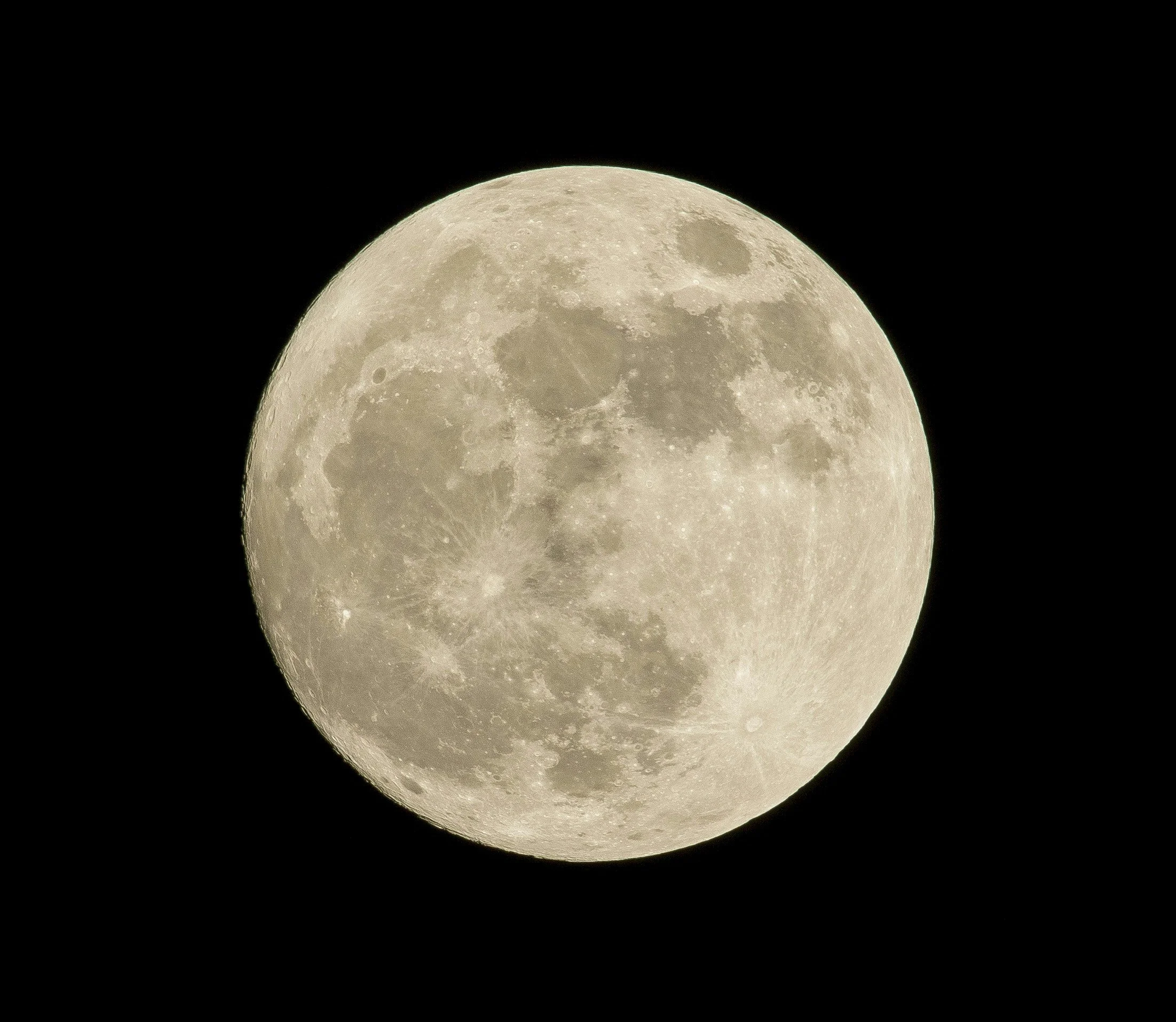
Moon Rituals: The moon has long been associated with the feminine and the cycles of nature. Moon rituals can be a powerful way to connect with the Wild Woman and to honor the natural rhythms of life. Whether it's a full moon ceremony, a new moon intention-setting ritual, or simply spending time in contemplation under the moonlight, these practices can help you to align with the lunar cycles and to tap into the intuitive and emotional aspects of the Wild Woman.
Nature Walks and Grounding Practices: Spending time in nature is a powerful way to connect with the Wild Woman and to ground yourself in the present moment. Take regular walks in natural settings, whether it's a forest, beach, or park, and allow yourself to fully immerse in the sights, sounds, and sensations of the natural world. Practice grounding techniques such as walking barefoot on the earth, sitting with your back against a tree, or simply breathing deeply and mindfully.
Creative Expression: The Wild Woman is a creative force, and expressing yourself creatively can be a powerful way to connect with this archetype. Engage in activities that allow you to express your unique gifts and talents, whether it's painting, writing, dancing, singing, or any other form of creativity. Allow yourself to explore and experiment without fear of judgment, and embrace the joy and freedom that comes from creative expression.